Lemony: A Colorful and Sweet Display Font for Editorial Design
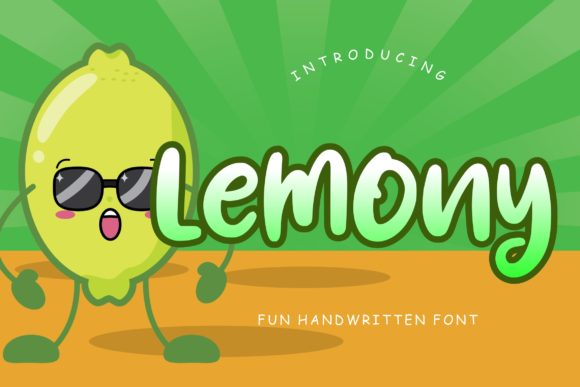
Lemony, a colorful and sweet display font, brings a friendly and versatile touch to your editorial designs. Its unique style and personality make it an excellent choice for adding a playful yet professional flair to your content. Whether you're designing a lifestyle blog, a recipe ebook, or a digital magazine, Lemony can help your content stand out and engage your audience.
Using Lemony for Blog Headers and Magazine Covers
When it comes to creating eye-catching blog headers and magazine covers, Lemony is a top choice. This display font's vibrant and cheerful appearance can instantly grab the reader's attention. Use Lemony for the main title or as a secondary font to complement a more traditional serif or sans serif typeface. This combination not only enhances visual hierarchy but also adds a dynamic and modern look to your publications.
Lemony in Ebook Titles and Newsletter Graphics
Incorporating Lemony into your ebook titles and newsletter graphics can significantly boost their appeal. The font's friendly feel and versatility make it perfect for a wide range of themes, from travel and lifestyle to food and wellness. For example, use Lemony for the title of a travel guide or a recipe ebook to create a welcoming and engaging cover that invites readers to dive in. In newsletters, Lemony can be used for section headings or call-to-action buttons, making your content more visually appealing and encouraging higher engagement.
Lemony for Quote Layouts and Chapter Openers
One of the most effective ways to use Lemony is in quote layouts and chapter openers. The font's playful and inviting nature makes it ideal for highlighting important quotes or introducing new sections in your content. For instance, in a coaching workbook or a self-help ebook, Lemony can be used to emphasize key takeaways or motivational quotes, enhancing the overall reading experience and making the content more memorable.
Lemony in Printable Guides and Lead Magnets
For printable guides and lead magnets, Lemony can add a touch of creativity and professionalism. Whether you're designing a wedding guide, a fitness planner, or a business workbook, Lemony can help you create a consistent and attractive brand identity. Use Lemony for the main titles, section headings, and accent typography to make your materials stand out and provide a cohesive look. This consistency in design can help build trust and recognition with your audience.
Font Pairing and Readability Considerations with Lemony
While Lemony is a fantastic display font, it's essential to pair it with a readable serif or sans serif font for body copy. For example, combining Lemony with a clean sans serif like Helvetica or a classic serif like Garamond can create a balanced and harmonious design. This pairing ensures that your content remains both visually appealing and easy to read, whether on screen or in print. Additionally, consider using Lemony for pull quotes, section headings, and cover text to maintain a clear visual hierarchy and enhance the overall layout.
Commercial Licensing and Practical Use of Lemony
When using Lemony for commercial projects such as ebooks, templates, printables, and client publications, it's important to check the licensing terms. Most premium fonts, including Lemony, come with specific commercial licenses that allow you to use them in a variety of contexts. Ensure that you have the appropriate license to use Lemony in your projects, especially if you plan to sell or distribute them. This will help you avoid any legal issues and ensure that you can fully leverage the creative potential of this versatile font.
In summary, Lemony is a valuable addition to your design toolkit, offering a colorful and sweet aesthetic that can elevate your editorial designs. Whether you're working on a lifestyle blog, a recipe ebook, or a digital magazine, Lemony can help you create visually appealing and engaging content that stands out and resonates with your audience.